
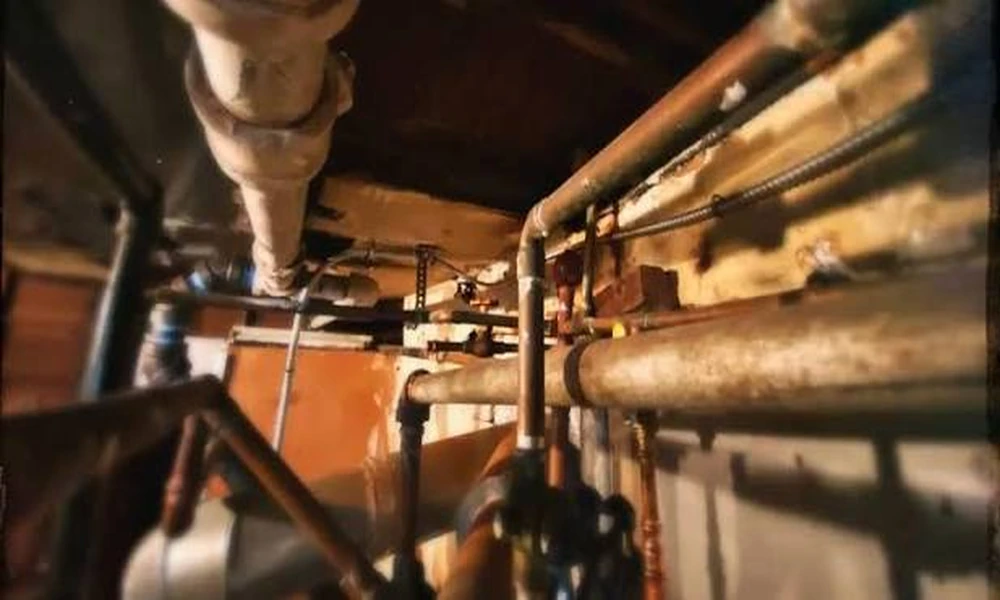

Weak showers in older homes seldom start at the street. The real culprit hides behind drywall, narrowing year after year. Galvanized steel corrodes from the inside out. Mineral scale then shrinks whatever opening remains. A trusted Plumbing company in Kihei restores that lost flow with complete replacement. Knowing why pipes fail clarifies which replacement earns the investment. The payoff shows up in pressure, taste, and repair bills.
Corrosion Quietly Shrinks Older Supply Lines
Galvanized pipes installed before 1970 carry a zinc coating. Once that layer wears away, rust forms on interior walls. Over decades, a half-inch line can narrow to a pencil’s width. Water still arrives, but in a thin, sputtering stream. Hot-water lines degrade faster because heat speeds the reaction.
Why Does Pressure Drop Across Multiple Fixtures?
Restricted pipes cannot feed several outlets at once. Run a dishwasher, and the upstairs shower falters. Common warning signs include:
- Pressure dips sharply when two taps open together.
- Brown water surfaces after a long vacation away.
- Toilets take minutes to refill their tanks.
- Pinhole leaks keep reappearing along older copper joints.
Modern Materials Restore The Original Diameter
PEX and Type L copper both resist internal scaling. PEX flexes around framing, so installers need fewer fittings. Each joint removed eliminates a point of turbulence. Smoother bore surfaces also cut friction loss over long runs. Copper, by contrast, tolerates UV exposure and high heat better. Near salty coastal air, though, copper can develop green pitting.
What Happens During A Whole-House Repipe?
Most repipes finish in two to four days. A licensed Plumbing company in Kihei maps every fixture before cutting drywall. The work follows a clear sequence:
- Crews protect floors and furniture.
- New lines run through attics.
- Old pipes get capped off.
- Inspectors pressure-test each connection.
- Drywall patches close access holes.
Can New Pipes Improve Water Quality?
Rust flakes carry iron that stains laundry and porcelain sinks. Galvanized lines can also trap lead from upstream sources. Fresh pipe walls stop both problems at the origin. Homeowners often notice a metallic taste vanish in a week. Water heaters last longer, too, without sediment piling up.
A Pencil-Width Pipe Tells The Story
That pencil-width opening was never designed for today’s demands. A 1965 home once served one bathroom and a clothesline. Now the same lines feed rain showerheads, irrigation, and dishwashers. Repiping becomes less a repair than a capacity upgrade. The house finally gets plumbing sized for modern routines.
FAQs
How long do PEX and copper repipes last?
PEX carries manufacturer warranties near 25 years, with longer expected service life. Type L copper can perform reliably for 50 years or more.
Does repiping require leaving the house?
Families can stay home during most projects without major disruption. Water shuts off only during working hours, and service returns each evening.
Is partial repiping worth considering?
Replacing only failed sections can leave corroded lines feeding brand-new ones. A whole-house job removes the bottleneck and prevents repeat leak calls.
Does repiping raise home value?
Buyers and inspectors flag galvanized pipe quickly during property evaluations. Documented new plumbing removes a common negotiation hurdle at sale time.