
A simple number by the door once told the postman where to stop, but today, house numbers are a canvas for personal expression, local pride, and architectural storytelling. Their journey from humble necessity to decorative statement captures centuries of social change, craftsmanship, and creativity.
Origins and Historical Significance of House Numbers
Before numbered addresses, homes were often recognized by names, colors, or distinctive symbols painted on doors and walls. In medieval Europe, a baker’s house might have displayed a loaf, while the blacksmith hung an iron horseshoe. Early methods of house identification were intensely local, relying on oral traditions and community memory rather than standardized systems.
By the 18th and 19th centuries, as cities grew crowded, the need for systematic address markers became essential. House numbers emerged alongside urban planning reforms, first for taxation and census purposes, and later to facilitate mail delivery and emergency services. As architectural styles evolved, so did the design of these numbers. From simple hand-painted digits on wooden boards to cast iron numerals adorned with Victorian flourishes, each era stamped its aesthetic onto the way houses were labeled.
Across cultures, numbering systems adapted in fascinating ways. Many European cities number houses along both sides of the street, while some Latin American towns use a distance-based system, assigning numbers based on meters from a set point. In Japan, block-based numbering often confuses visitors but reflects a different approach to organizing space. Urbanization only intensified the need for clarity and consistency in house numbering, transforming a local custom into a broader civic infrastructure.
The Rise of Personalization in House Numbers
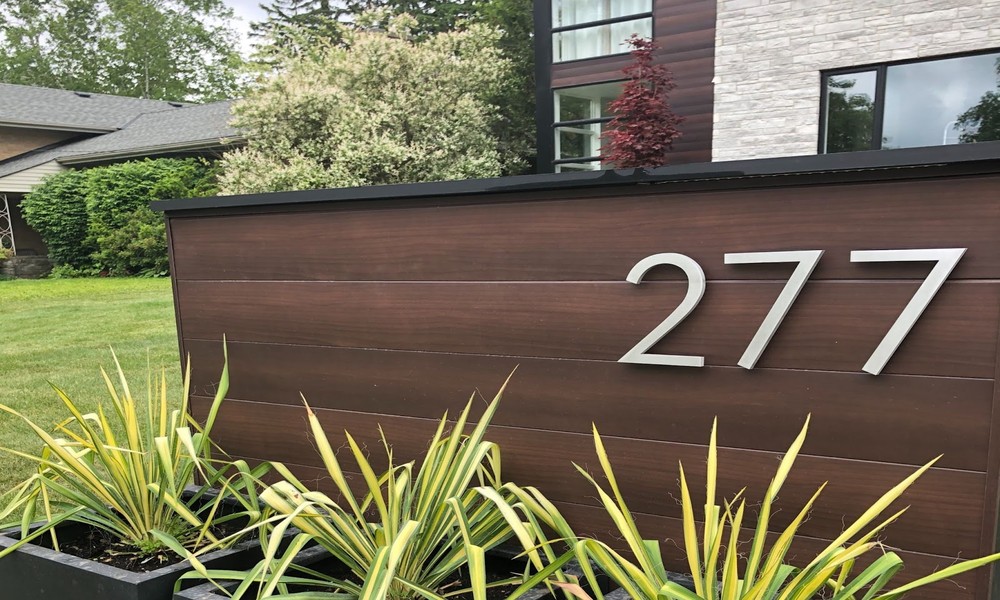
What was once a purely functional marker has become an opportunity for homeowners to express their individuality. House numbers have transitioned from plain utility to design elements that reflect a homeowner’s style. With more options than ever, numbers can now be elegant script, bold modernist designs, or playful motifs that nod to the home’s history or the neighborhood’s character.
Materials and craftsmanship have always told a story. Imagine the difference between a weathered enamel plaque from the early 1900s and a contemporary slate sign etched with laser precision. This evolution is closely tied to the rise of specialized artisans, especially sign makers whose local flair shapes each region’s visual identity. In Montreal, for instance, working with a fabricant d’enseignes Orthografica ensures that house numbers blend seamlessly with the city’s rich tradition of personalized signage, merging functionality with art.
Regional identity often shapes the choices homeowners make. Some gravitate toward heritage-inspired brass or hand-painted ceramic to honor historic roots. Others opt for minimalist steel or wood, channeling modern sensibilities and environmental concerns.
Modern Technologies Shaping Personalized House Numbers
Technology has revolutionized what is possible in custom address markers. Digital design tools allow homeowners to visualize and tweak their selections instantly, while advanced fabrication techniques, such as CNC cutting, 3D printing, and laser engraving, unlock previously unimaginable shapes and finishes.
New materials further expand the palette. Eco-friendly composites, recycled metals, and weather-resistant polymers offer sustainability without sacrificing style. Durability is not just a trend but a necessity in climates where snow, rain, and sun can quickly erode traditional signs.
The smart home movement has also entered the realm of house numbers. Imagine illuminated numbers that sync with home automation systems, or address plaques embedded with sensors that alert homeowners to visitors. Online marketplaces now connect buyers directly with artisans and small-scale manufacturers, making it easier than ever to commission a truly unique design from the comfort of home.
Unique Appeal and Psychological Impact of Personalized House Numbers
What draws so many homeowners to design their own house number? Curb appeal is only the beginning. A distinctive address marker can set a property apart, catching the eye of guests, neighbors, and potential buyers. Research has shown that small exterior updates, such as custom signage, can even increase perceived property value.
But the appeal goes deeper. Personalized house numbers become a subtle form of storytelling, hinting at the personalities inside or the home’s journey through time. Some families preserve legacy plaques from previous generations; others create new symbols to mark milestones like a move or renovation. This symbolism helps forge an emotional connection to the place we call home.
Neighborhood branding, once limited to high-rise developments or gated communities, has trickled down to individual homes. In blocks where residents embrace personalized numbers, a sense of collective identity often emerges. The variety of styles, playful, classic, avant-garde, does not fragment the streetscape, but rather knits it together through shared creativity.
In the end, house numbers are no longer just about finding your way. They are talismans of memory and imagination, quietly announcing that every home is unique, every story worth telling, and every address deserving of its own mark in the world.