
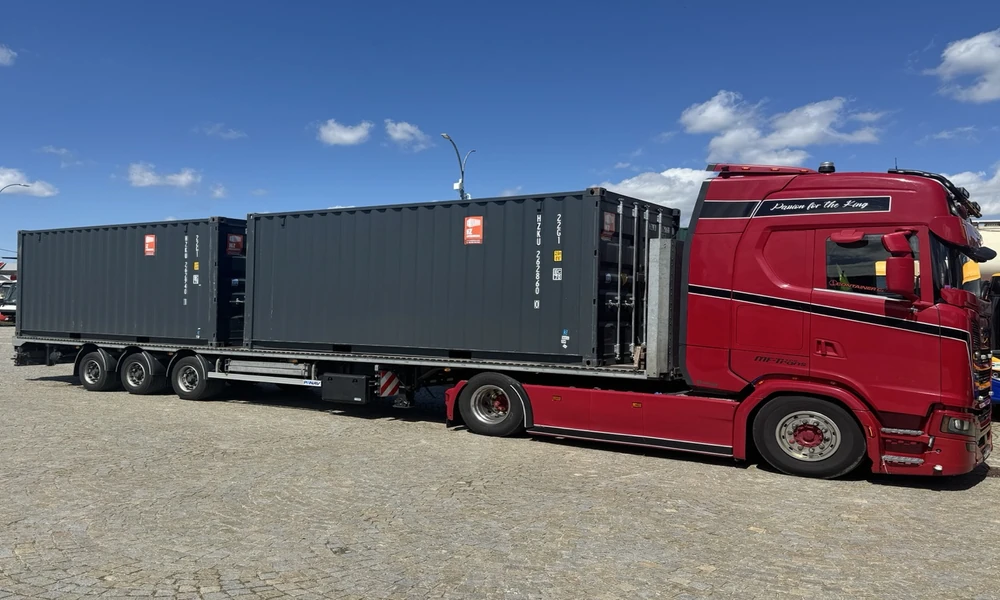

Choosing the right chassis is an important part of keeping freight operations efficient. Since containers move between ships, rail networks, and trucks, transportation equipment must provide stability, durability, and compatibility across different stages of the supply chain.
For businesses involved in container shipping, selecting the right chassis can help reduce delays, improve cargo handling, and support smoother logistics operations.
Why Chassis Selection Matters in Intermodal Transportation
Intermodal transportation relies on the seamless movement of cargo between multiple modes of transport without unloading the goods from the container itself. A container may travel by vessel, rail, and truck before reaching its final destination, making reliable support equipment essential.
A properly designed chassis allows containers to be transferred efficiently between transportation networks. It provides the connection between terminals and road vehicles while helping maintain cargo stability throughout the journey.
Without the right chassis, companies may experience delays caused by equipment shortages, compatibility issues, or inefficient container handling.
When to Use a 40-Foot Container Chassis
Container size is one of the biggest factors when selecting transportation equipment. A 40-foot container chassis is specifically designed to carry standard 40-foot containers, which are commonly used for large-volume freight shipments.
These chassis provide the length and structural support needed to safely transport heavier container loads over highways and between logistics facilities. They are commonly used by freight carriers, shipping companies, and distribution operators that regularly handle international cargo.
Using a chassis designed for the correct container size helps improve safety, reduce equipment strain, and ensure smoother loading and unloading processes.
What Makes a Heavy-Duty Chassis Different?
Some freight operations require more strength and durability than standard equipment can provide. A heavy-duty chassis is built to handle demanding transportation conditions, including heavier loads, frequent use, and challenging operating environments.
These chassis typically feature reinforced construction and components designed to withstand greater stress. They are often used in industries where container movement occurs at high volumes or where cargo weight requires additional support.
For businesses transporting heavy containers regularly, investing in stronger equipment can help reduce wear and improve long-term reliability.
How to Choose the Right Chassis for Your Shipping Needs
The best chassis depends on several factors, including container size, cargo weight, transportation frequency, and operating conditions.
Companies moving standard 40-foot containers may find a 40-foot container chassis suitable for their needs, while businesses handling heavier freight may require a heavy-duty chassis for added support. Those involved in complex supply chains should also consider how well the equipment integrates with their intermodal transportation network.
Evaluating current shipping demands and future growth plans can help businesses select equipment that provides better efficiency and value over time.
Improving Freight Efficiency Through Better Equipment Choices
A reliable chassis is a key component of successful container transportation. The right equipment helps businesses move cargo more efficiently while reducing operational challenges across different transportation stages.
Whether supporting everyday container movements or demanding freight operations, choosing the appropriate chassis solution allows companies to maintain smoother logistics processes and adapt to the needs of modern supply chains.