
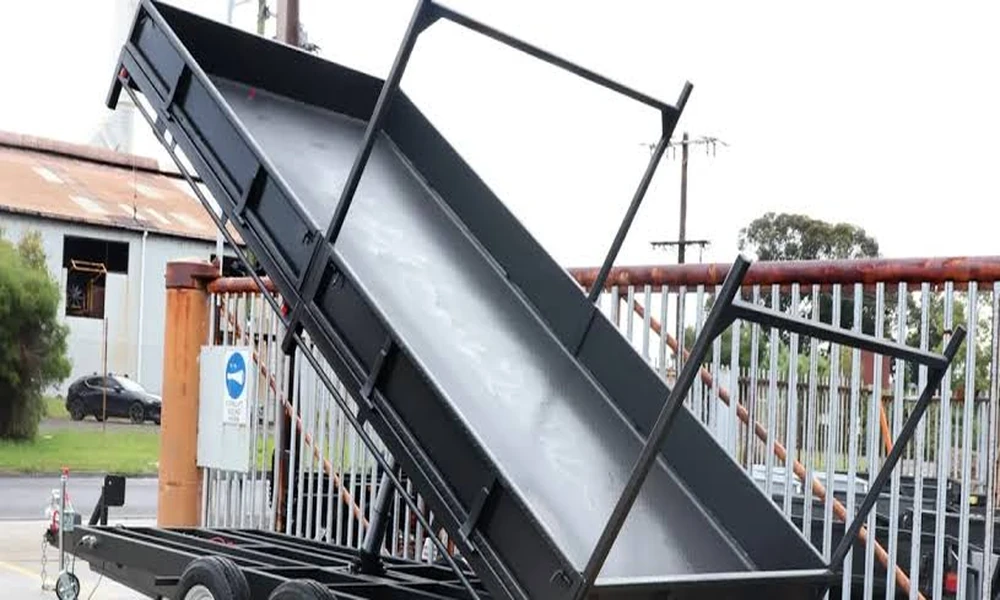

A trailer can make transporting equipment, materials, and everyday essentials much easier. Whether you need one for personal use, work, or a business venture, choosing the right option can save you time and prevent unnecessary expenses in the long run.
With different sizes, designs, and features available, finding a suitable trailer can take a little research. Rather than focusing only on appearance or price, it’s important to understand how you plan to use it and what features will make your day-to-day tasks easier.
Here are some important factors to consider before investing in a trailer.
Understand Your Transporting Requirements
The first step is identifying what you’ll regularly transport. Consider the size, weight, and quantity of your usual loads. These details will help you narrow down your options and avoid choosing a trailer that is either too small or larger than necessary.
For occasional household tasks, a standard utility trailer may be sufficient. However, transporting construction materials, machinery, or commercial supplies may require a stronger design with greater carrying capacity.
Your intended use can also influence the type of trailer you need. For those planning to operate a mobile food business, for example, available space becomes particularly important. Explore the mobile kitchens and food trailers available at SaveBarn and consider how cooking equipment, storage compartments, preparation areas, and water systems will fit into the overall layout.
Thinking about these requirements early can help you choose a trailer that is practical for both your current and future needs.
Make Sure Your Vehicle Can Handle the Load
A suitable trailer isn’t just about having enough room for your cargo. Your towing vehicle must also be capable of handling the combined weight safely.
Before purchasing, check the trailer’s Gross Vehicle Mass (GVM), tare weight, and maximum payload. These figures help determine how much weight the trailer can carry, including its own weight and any additional equipment.
Your vehicle’s towing capacity and towbar rating are equally important. Make sure the fully loaded trailer stays within the recommended limits of your vehicle and its towing components.
If you’re comparing several models, take the time to review their specifications. A trailer with the right dimensions but insufficient payload capacity may not be suitable for your intended work.
Pay Attention to Materials and Construction
A trailer is an investment, so its construction should be able to withstand the demands of regular use. Look beyond its overall appearance and pay attention to the materials and components used.
The chassis, drawbar, coupling, flooring, and wheels all contribute to its overall strength and reliability. Consider whether the construction is appropriate for the type of cargo and conditions in which you’ll be using it.
You should also check the features that make loading and unloading more convenient. Tie-down points, ramps, removable gates, and accessible tailgates can make a significant difference, particularly when handling bulky or heavy items.
A well-designed trailer should not only carry your load but also make everyday transport tasks more manageable.
Think About Storage and Everyday Convenience
Before making a purchase, consider where you’ll keep the trailer when it’s not being used. Measure your available driveway, garage, or storage area to make sure there’s enough room.
Remember to allow additional space for the drawbar, opening gates, and manoeuvring the trailer into position.
It’s also worth considering how frequently you’ll use it. If you regularly transport different types of cargo, look for a versatile design that can accommodate various requirements without making loading and unloading difficult.
Small practical details can have a big impact on how convenient a trailer is over time.
Look Beyond the Initial Purchase Price
Setting a budget is important, but the advertised price shouldn’t be the only factor influencing your decision. A lower-priced trailer may require additional accessories or modifications before it’s ready for your intended use.
Consider possible extra expenses such as delivery, spare wheels, tie-down equipment, maintenance, registration, and other necessary fittings.
If you’re considering a food trailer for sale, check exactly what comes with the unit. Some options may include kitchen equipment and fitted features, while others may only provide the trailer structure. Understanding what’s included will help you compare prices more accurately.
It’s always worth reviewing the specifications and asking questions before committing to a purchase.
Choose a Trailer That Meets Your Long-Term Needs
Finding the right trailer involves balancing practicality, safety, durability, and cost. The best choice is one that suits the type of work you do, matches your vehicle’s towing capabilities, and provides enough room for the loads you regularly transport.
Taking time to compare different designs and specifications can help you avoid costly mistakes and find a trailer that offers lasting value.
Whether you’re looking for a reliable transport solution or planning to establish a mobile food business, explore the trailer selection at SaveBarn and consider which option best matches your requirements.