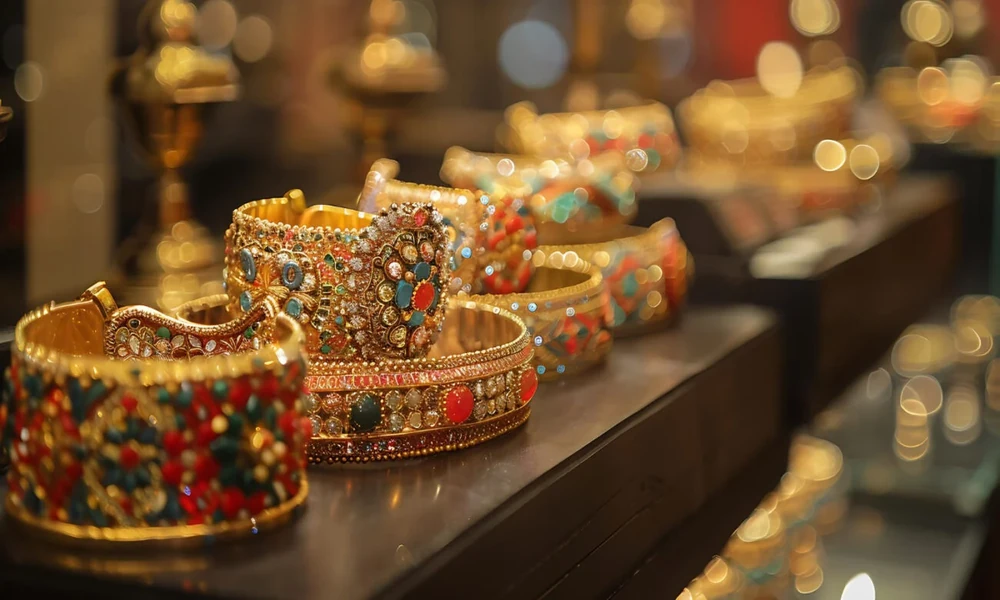

Hyderabad has long been known as the City of Pearls, but its relationship with jewellery extends well beyond pearls. Walk through the lanes near Charminar in the evening, and you will find glass-fronted shops glowing with bangles, necklaces, and bridal sets, while shopkeepers chalk up the Today Gold Rate on boards outside. For many local families, checking Gold Rate Today Hyderabad is as routine as checking the weather, because a visit to the jeweller is tied to life’s milestones: weddings, births, festivals, and anniversaries. This deep cultural bond has shaped a market that blends heritage craftsmanship with modern retail. Understanding where this tradition comes from, and how it continues to evolve, offers a richer perspective on why the city’s jewellery trade remains so vibrant and so trusted by generations of customers.
A Market Shaped by History
Hyderabad’s jewellery culture grew with the patronage of the royal families of the Deccan who promoted the art of precious and semi-precious gems, pearls, and metals. The region of Golconda became infamous for diamonds and attracted traders and artisans who excelled in the art of cutting, setting, and carving. Karigars, as expert jewellers, came to settle in the region and passed on their legacy through generations, leading to families famed for their workmanship. The noblemen and traders patronised the art of making intricate ornaments, creating a robust ecosystem of designers, polishers, setters, and traders. Even today, the legacy of these masters lives on in the city’s love affair with intricate detailing of ornamentation and grand designs. Not only the history but the inclination of Hyderabad towards handcrafted and exquisite jewels impacts the buying behaviour of the people of the city. They are known to ask for the finer details of cutting and finishing, symmetry, and setting of the jewellery before buying.
Neighbourhoods And Their Legacy
The city’s different localities are famous for different jewellery needs. The old city, including markets like Charminar and Laad Bazaar, is known for bangles, pearls, and traditional jewellery that caters to local and foreign clients. Begum Bazaar and Sultan Bazaar are famous for their wholesale dealings, attracting small-time jewellery dealers, traders, and stockists who buy bullion and other materials from the city’s traditional jewellery markets. Abids and Basheerbagh are home to jewellery showrooms that have an established customer base that caters to the city’s varied tastes and needs. Kukatpally, Secunderabad, Jubilee Hills, and Banjara Hills are home to organised retail chains and boutique jewellery stores that offer modern minimalistic collections, traditional bridal jewellery, and other lightweight ornaments in their inventory. It is not uncommon to see families go from one locality to another searching for the best deals in terms of price, quality, and authenticity. Hyderabad’s jewellery markets are popular with both local and foreign tourists, with the former constituting the majority. The competition between local jewellery markets and showrooms is fierce, impacting the average rates of most ornaments while still maintaining the quality of products and services.
Traditional Jewellery From Andhra Pradesh
The city’s jewellery culture revolves mainly around traditional designs from Telangana and Andhra Pradesh. Temple jewellery is in high demand, with many women preferring intricate designs with deities and floral patterns. Kundan and polki work are also popular in the city, with many opting for gold foil work with cut work for their bridal jewellery. Similarly, pearl jewellery is in demand, with customers choosing multi-layered pearl necklaces and other adornments made of gold and pearls. Nakshi and antique work are also preferred by many for their uniqueness and the intricate patterns etched on them. Many local jewellery designers offer a combination of traditional and contemporary jewellery with exquisite detailing that extends beyond bridal needs. Even today, the art of handcrafted jewellery making is in demand, despite many opting for machine-made jewellery. Traditional jewellery making with hand-cut patterns and motifs is a skill passed down through generations and continues to thrive in the city.
Modern Jewellery and Organised Retail
The city’s jewellery markets offer a diverse spectrum of traditional and contemporary jewellery. Hyderabad’s jewellery culture blends both family-run shops and organised retail stores that have lasted for generations. While the former offers a personalised experience, the latter provides organised billing, invoicing, and exhaustive documentation of the jewellery bought. Both these kinds of jewellery stores have adapted to the changing needs of the customers by providing hallmarking, online exploration of jewellery, and digital invoicing. Younger generations of Hyderabad’s locals and visitors are known to research the kind of jewellery they want to buy and compare prices before finalising a purchase. Organised jewellery stores compete with family-run jewellery shops by offering more value for customers’ money and personalised attention to the needs of the customers. These stores have evolved to meet the changing demands of customers by offering lighter jewellery in terms of weight and unique contemporary designs.
Relevance Of Trust And Customer Base In Hyderabad’s Jewellery Markets
The jewellery markets of Hyderabad have imbibed the value of customer trust and satisfaction in the growth and sustainability of their business. Most family-run jewellery shops believe in word of mouth and invest in developing long-term relationships with their customers. Hyderabad’s jewellery shops and showrooms have developed a unique rapport with their customers, with many visitors going back to the same store generation after generation. This is possible because these stores value their customers and invest in their satisfaction by providing the best products, personalised deals, and honouring exchange policies. Therefore, customer trust is the backbone of every jewellery shop and showroom in Hyderabad. A customer is likely to go back to a jewellery shop if they feel that they have been offered the best value for money, have been provided exceptional customer service, and have been honest about the jewellery bought or exchanged.